Check Out The ATMOS Mix Of The Rise and Fall of Ziggy Stardust and the Spiders from Mars
Ken Scott is a name synonymous with some of the most iconic recordings in music history. His work spans decades and genres, from rock to jazz, and his influence can be felt in the music of countless artists. In this blog, we will explore Ken Scott’s incredible career, the artists he worked with, and the techniques he employed to create timeless music.
Early Years and the Journey to Abbey Road
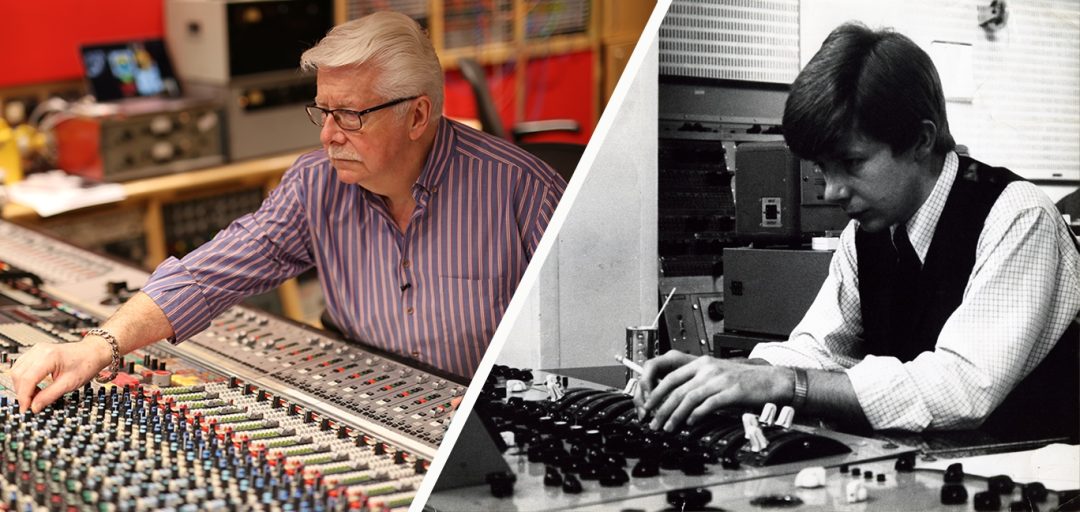
Ken Scott’s journey began at a young age when he developed a passion for recording music. He listened to 78 rpm records of Elvis Presley, Bill Haley, and Eddie Cochran and at just 12 years old, he received a tape recorder began recording BBC Light Programme radio which set him on the path to becoming a recording engineer. Ken watched a BBC TV Show of an Abbey Road recording session
featuring Carol Deening, with Malcolm Addey engineering. This moment inspired his career path.
His fascination with sound and the recording process would eventually lead him to that very same studio, Abbey Road Studios, the most famous recording studio in the world.
Scott’s at 16 years old, was hired at EMI Studios (Abbey Road’s official name before 1976), where he quickly made a name for himself, he had mailed applications to recording studios and unbeknownst to him he would end up at the studio that had inspired his love of recording. Ken trained under Malcolm Addey and Norman Smith, initially working in the tape library.
Ken became a Second engineer (button pusher as he likes to call it!) on five Beatles albums: A Hard Day’s Night, Beatles for Sale, Rubber Soul, Help!, and Sgt. Pepper’s Lonely Hearts Club Band. Also worked with Manfred Mann (#1 hit “Do Wah Diddy Diddy”), The Hollies, Johnny Mathis, Cliff Richard and the Shadows, and Peter Sellers
It was during his time at Abbey Road that witnessing the magic of The Beatles in the studio, would ultimately be one of the greatest elements to shape his career. His experiences with The Beatles taught him the importance of allowing artists the freedom to create.
Working with Iconic Artists
Throughout his career, Ken Scott has worked with a plethora of legendary artists, including David Bowie, Elton John, Supertramp, Jeff Beck, Billy Cobham, Stanley Clarke, Mahavishnu Orchestra and The Beatles. His collaboration with Bowie on albums like “Hunky Dory” and “Ziggy Stardust” solidified his reputation as a top producer. Scott’s ability to capture the essence of Bowie’s vision while maintaining a distinct sound was one of the keys to the success of these albums.

The Art of Mixing
Mixing is an art form that requires a deep understanding of sound and how it interacts with different musical elements. Ken Scott mastered this art during his time at Abbey Road and later at Trident Studios. He often emphasized the importance of achieving the perfect drum sound, as it serves as the foundation for many tracks.
Scott’s approach to mixing involves a blend of technical skill and creative intuition. He believes in the power of live recordings and often captured performances in one take, allowing the energy of the moment to shine through. This philosophy has led to the creation of some of the most iconic tracks in music history.
 Collaborations and Innovations
 Collaborations and Innovations
Ken Scott’s collaborations extend beyond pop and rock to include jazz and progressive music. His work with the Mahavishnu Orchestra and the Dixie Dregs showcased his versatility as a producer. These collaborations allowed him to explore different musical landscapes and push the boundaries of sound.
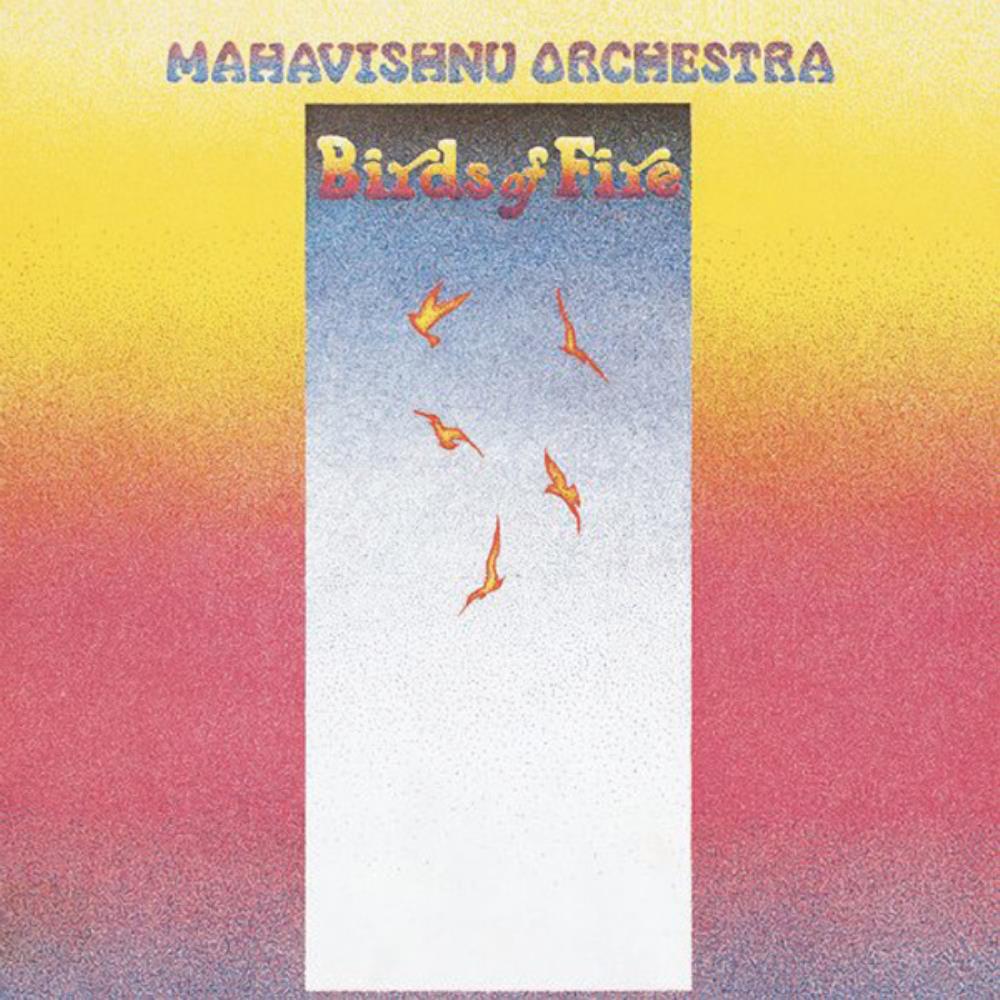
One notable project was his work on the Mahavishnu Orchestra’s “Birds of Fire.” Scott’s ability to blend jazz elements with rock sensibilities helped to create a groundbreaking album that remains influential to this day. His innovative mixing techniques, such as placing microphones strategically for a more immersive sound, set a new standard in the industry.
Legacy and Influence
Ken Scott’s legacy in the music industry is undeniable. His work has not only shaped the sound of iconic albums but has also influenced a new generation of producers and engineers. His dedication to the craft and his ability to adapt to the changing landscape of music production have made him a respected figure in the industry.
As we continue to explore the evolution of music production, Ken Scott’s contributions will undoubtedly remain a vital part of the conversation. His story serves as a reminder of the importance of creativity, collaboration, and the pursuit of excellence in the world of music.
The Future of Music Production
With the rise of new technologies and production techniques, the future of music production is exciting. Ken Scott’s experiences and insights serve as a valuable resource for aspiring producers looking to make their mark in the industry. As we embrace new tools and methods, the principles of creativity and collaboration that Scott embodies will continue to guide us.
The music industry is ever-evolving, and with figures like Ken Scott paving the way, there’s no telling what the future holds for music production. Whether it’s through immersive mixing techniques or innovative arrangements, the spirit of creativity will always thrive in the world of music.
Check Out The ATMOS Mix Of The Rise and Fall of Ziggy Stardust and the Spiders from Mars
Conclusion
Ken Scott’s journey through music production is a testament to the power of creativity and collaboration. From his early days at Abbey Road Studios to his work with some of the biggest names in music, Scott’s impact on the industry is profound. As we reflect on his career, we are reminded of the importance of nurturing talent and allowing artists to express themselves freely. Here’s to Ken Scott and the timeless music he has helped to create.
Ken Scott’s Partial Discography:
1964: Second engineer (button pusher) on five Beatles albums: A Hard Day’s Night, Beatles for Sale, Rubber Soul, Help!, and Sgt. Pepper’s Lonely Hearts Club Band. Also worked with Manfred
Mann (#1 hit “Do Wah Diddy Diddy”), The Hollies, Johnny Mathis, Cliff Richard and the Shadows, and Peter Sellers.
1965-1967: Cut acetates and masters as part of his apprenticeship at Abbey Road, learning the technical limitations of recording equipment.
1967 (September 16): Promoted to engineer and worked on a new version of “Your Mother Should Know” (released on Magical Mystery Tour EP). In 2017, Scott tweeted: “It was on this day, September 16th, at 7:00 pm GMT, that 50 years ago I sat at a recording console for the very first time, WOW.”
1968 (July): Joined The White Album sessions after Geoff Emerick left, frustrated by the band’s conflicts. Secretly brought a 3M 8-track into Studio 2 with engineer Dave Harries. First 8-track recordings were overdubs for “While My Guitar Gently Weeps,” where Scott recorded Eric Clapton’s guitar parts, adding ADT and flanging. He also worked on “I Am The Walrus,” “Lady Madonna,” “Hello Goodbye,” “Hey Jude,” “The Fool on the Hill,” “Glass Onion,” “Helter Skelter,” “Birthday,” and “Back in the USSR.”
1968-1969: Worked with Jeff Beck (Truth, produced by Mickie Most), Pink Floyd, Pretty Things, Procol Harum (A Salty Dog), and engineered George Harrison’s Wonderwall solo debut. Also worked on David Bowie’s Space Oddity at Trident Studios.
1969: Joined Trident Studios, recorded John Lennon’s “Give Peace a Chance,” Ringo Starr, Jeff Beck (Beck-Ola), and more.
1970: Engineered and mixed Bowie’s The Man Who Sold The World (produced by Visconti), George Harrison’s All Things Must Pass (produced by Phil Spector), at EMI, Trident, and Apple Studios.
1971: Took over mixing Elton John’s Madman Across the Water. Formed Nereus Productions with Trident Studio owners. Produced Bowie’s Hunky Dory, his first album as a producer. Also worked on Van Der Graaf Generator’s Pawn Hearts (produced by John Anthony).
1972: Produced, mixed, and engineered Bowie’s Ziggy Stardust, Elton John’s Honky Chateau, Lou Reed’s Transformer (co- produced with Bowie and Ronson), and America’s debut album. 1973: Produced, mixed, and engineered Bowie’s Aladdin Sane and Pin Ups, Elton John’s Don’t Shoot Me I’m Only the Piano Player, Billy Cobham’s Spectrum.
1974: Worked on Supertramp’s Crime of the Century, Billy Cobham’s Crosswinds and Total Eclipse, and Stanley Clarke’s projects.
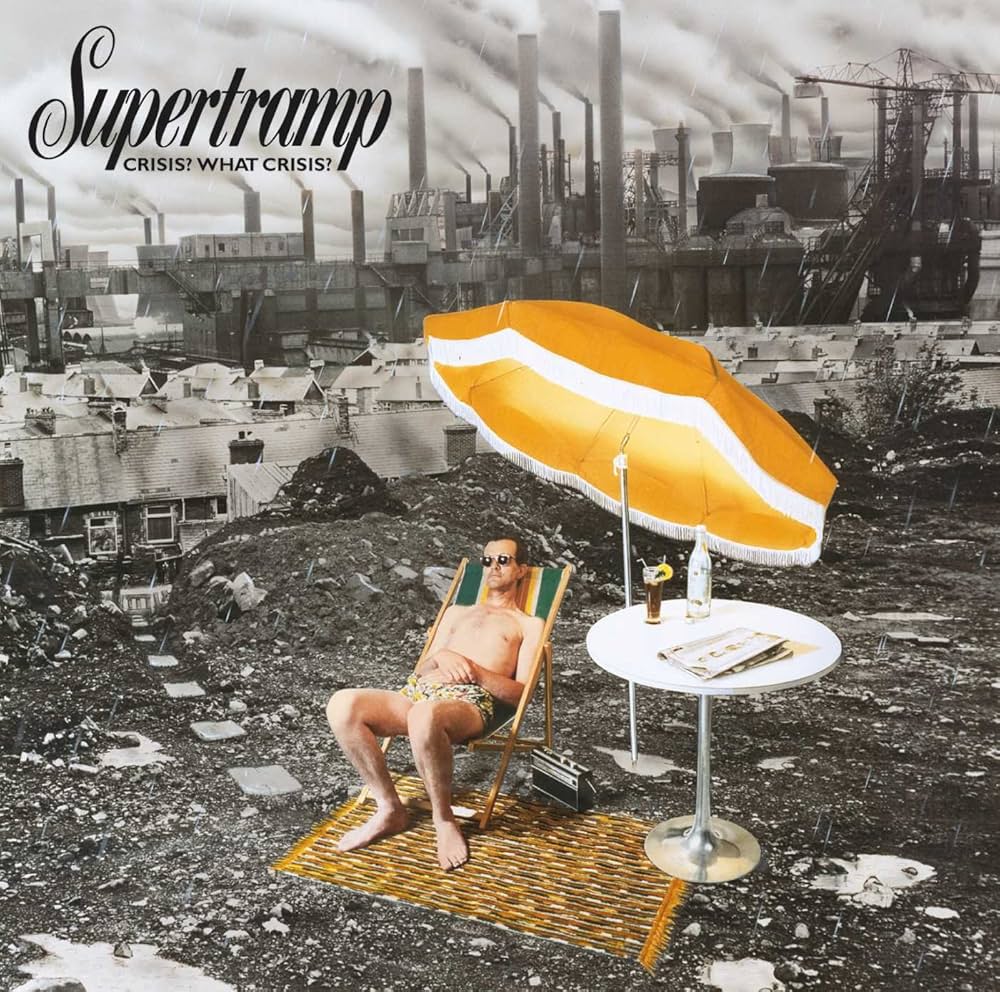
1975: Produced and engineered Crisis? What Crisis? by Supertramp and Mahavishnu’s Visions of the Emerald Beyond. 1976: Moved to Los Angeles. Engineered Elton John and Kiki Dee’s hit “Don’t Go Breaking My Heart” and produced The Tubes’ Young and Rich and Stanley Clarke’s School Days.
1978: Produced and engineered Dixie Dregs’ What If and Night of the Living Dregs.
1979: Produced and engineered Devo’s Duty Now for the Future. 1980: Produced Jeff Beck’s There & Back.
1982: Produced Kansas’ Vinyl Confessions and Missing Persons’ Spring Session M.
1985: Produced Level 42’s World Machine.
1995: Engineered Duran Duran’s Thank You.
1996: Engineered and mixed the Trainspotting soundtrack. 2000: Worked with George Harrison on reissues, including All Things Must Pass.